
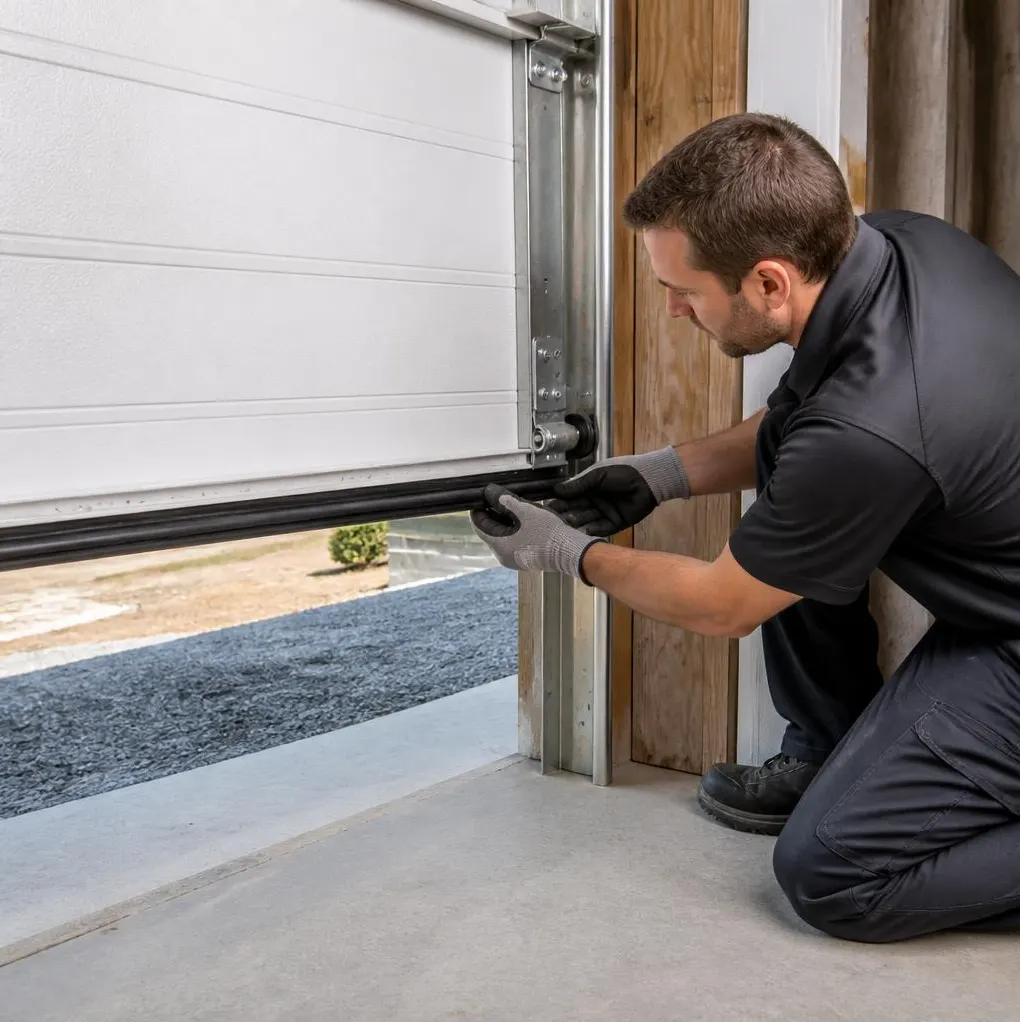
The short answer: winterizing a garage door in this part of Texas means sealing out cold drafts and moisture, re-lubricating hardware that spent the summer collecting dust and pollen, checking the springs and cables one more time before temperatures swing, and making sure your opener has backup power for the rare ice event. You don't need to worry about deep freezes the way homeowners up north do, but a few hours of attention now will save you a cold-morning headache later.
Why Winter Prep Still Matters Here
Magnolia doesn't get brutal winters, but it does get real temperature swings — 70-degree afternoons followed by a hard cold snap, sometimes with ice, especially as fronts push down from North Texas. Garage doors and openers that have spent months baking in summer heat and getting coated in dust from dry spells don't always transition smoothly into cold mornings. Metal contracts, lubricant thickens or dries out, and weatherstripping that cracked in the sun suddenly lets in a lot more cold air than you'd expect.
Check and Replace Weatherstripping
The rubber seal along the bottom of your garage door takes a beating from UV exposure, heat, and the grit that blows around during dry, windy stretches. By fall, it's common to find it cracked, flattened, or pulling away from the track.
- Bottom seal: Look for gaps where daylight shows through, or spots where the rubber has hardened and lost its flex.
- Side and top seals (weatherstop): Check for warping or separation, especially on the sun-facing side of the door.
- Panel seals: If your door is made of multiple panels, check the seams for daylight or drafts.
Replacement seal kits are inexpensive and usually a straightforward DIY job. If your garage shares a wall with living space — a bonus room, laundry, or workshop — sealing drafts now will make a noticeable difference in comfort once the first cold mornings hit.
Re-Lubricate Everything That Moves
Hot, dry summers followed by dusty conditions are rough on garage door hardware. Lubricant that was applied in spring has likely thinned out, evaporated, or turned into a gritty paste from dust and pollen. Before winter weather arrives:
- Apply a silicone-based or lithium-based garage door lubricant to the rollers, hinges, and springs — avoid WD-40 for long-term lubrication, since it attracts dust rather than repelling it.
- Wipe down the tracks with a dry cloth first to remove built-up grit before lubricating.
- Check the opener's chain or belt and apply the manufacturer-recommended lubricant if it's chain-driven.
Cold mornings make stiff, dry hardware even stiffer. A door that already groaned or hesitated in warm weather will often get louder and slower once temperatures drop, so this is a good time to catch it.
Listen for New Noises
If you lubricate and the door still grinds, squeaks, or jerks at certain points in its travel, that's usually not a dirt problem anymore — it points to worn rollers, a bent track, or hardware that's reached the end of its life. Don't force it; a door that's fighting its tracks puts extra strain on the opener and the springs.
Inspect Springs and Cables Before Cold Weather Sets In
Torsion and extension springs do most of the work lifting your door, and metal becomes more brittle in colder temperatures. A spring that was already fatigued from summer heat cycling can fail without warning once nighttime temperatures start dropping. Signs worth checking for:
- Visible gaps or separation in the coils of a torsion spring.
- Rust forming on springs or cables, especially after a wet fall storm season.
- A door that feels noticeably heavier than usual when lifted manually with the opener disengaged.
Springs are under extreme tension and are not a safe DIY repair — this is one job worth having a professional handle, especially if you noticed any storm damage earlier this fall that might have stressed the hardware.
Protect the Opener's Power and Backup
If a cold front brings ice or knocks out power, you want your opener's battery backup — if it has one — charged and tested. Also worth doing before winter:
- Test the manual release (the red cord) so you know how to open the door by hand if the power goes out.
- Check that the opener's safety sensors are clean and properly aligned; cold, foggy mornings can sometimes cause condensation that interferes with the sensor beam.
- Replace opener remote batteries now rather than waiting for them to die on a cold, dark morning.
Don't Ignore the Garage Itself
If your garage isn't insulated and you use it as more than storage, a few additions make a real difference through winter: weatherstripping around the service door, foam insulation panels for the garage door panels themselves, and sealing any gaps around pipes or vents that lead outside. None of this is complicated, but it adds up on the handful of genuinely cold mornings you'll get this winter.
When to Call Magnolia Door & Opener
If your door is sluggish even after lubrication, if you spot a stretched or rusted spring, or if your opener's battery backup isn't holding a charge, it's time to call in a professional rather than keep troubleshooting. Our Garage Door Maintenance service covers a full inspection of springs, cables, rollers, and hardware before the weather turns, and our Opener Installation & Repair team can diagnose sensor issues, replace a failing backup battery, or install a new opener if yours is on its last stretch. Catching these issues now is a lot less stressful than dealing with a dead opener or a snapped spring on a cold morning.
If you're in Magnolia, Tomball, The Woodlands, Pinehurst, Stagecoach, Todd Mission, Conroe, or Spring and want your garage door ready before winter weather hits, give Magnolia Door & Opener a call — we'll get it sorted before the first cold front rolls through.